Licensed for consulting Economic,
Social and Rural Development Issues
Social and Rural Development Issues
Nepal’s Youth and Small Entrepreneurs Self-Employment Fund (YSEF) has long provided concessional loans to reduce youth unemployment and migration. Yet, the rise of Generation Z entrepreneurship—marked by digital-first ventures, freelancing, sustainability, and global networking—demands a transformation of YSEF into a comprehensive ecosystem. This flagship national program, prepared with the Ministry of Youth and Sports, envisions a multi-year, multi-stakeholder initiative to align Nepal’s youth employment strategy with global best practices. This program was designed from November 1, 2025, to February 2, 2026.
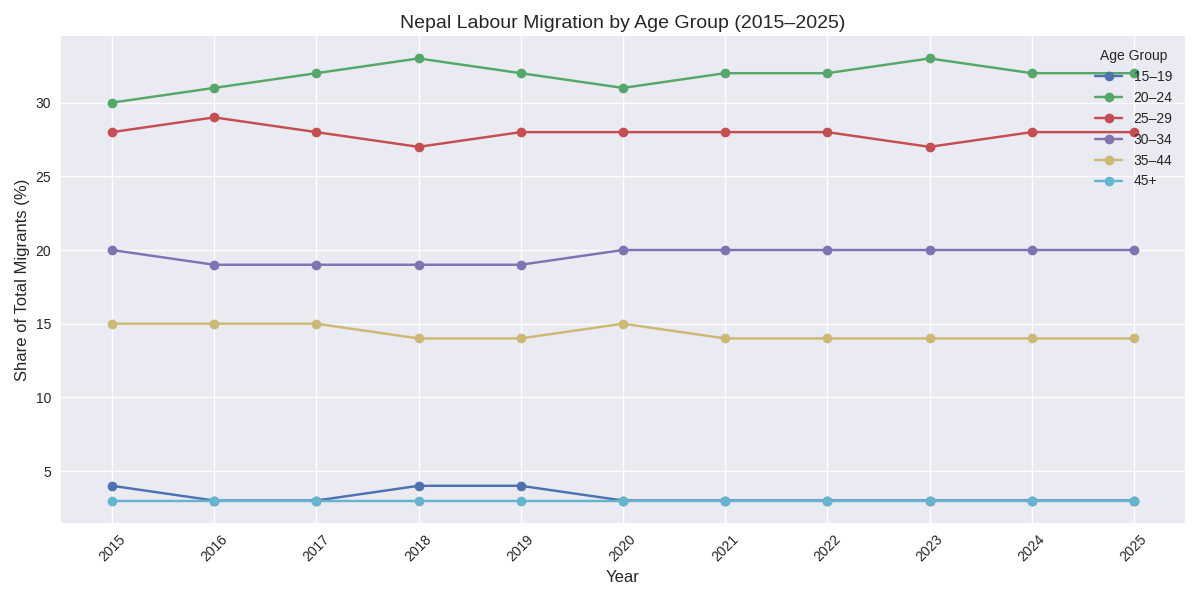
Nepal’s Gen Z population, nearly 9 million (ages 12–27), represents about 30% of the country’s population. Despite high migration rates, most remain in Nepal, split between urban service-oriented youth and rural agriculture-dependent youth. Challenges include weak transitions to higher education, a 19% unemployment rate, income inequality, and limited access to finance and mentorship. YSEF itself faces structural gaps: overemphasis on credit, weak digital integration, poor monitoring, and insufficient inclusivity for girls and marginalised groups. Learning from global models—Kenya’s mentorship-linked funds, India’s integration of skills with credit, Chile’s global incubation, China’s digital branding, and the USA’s AI/no-code entrepreneurial culture—the program proposes interventions tailored to Nepal. These include:
By 2030, the program aims to reach 1.7 million Gen Z clients, mobilise trillions in concessional loans, and build a digitally empowered, inclusive, and globally connected entrepreneurial ecosystem. Ultimately, this initiative seeks to reduce migration, foster innovation, and empower Nepal’s youth to drive sustainable, locally rooted economic growth. Please contact directly to Nepal’s Youth and Small Entrepreneurs Self-Employment Fund (YSEF) and Ministry of Youths and Sports for porgram and its implementation status.
The firm's management and expert team commit for an ethical, fair, environment-friendly, client data privacy, transparency in development practices and policy, societal equity, and neutrality principles.

Copyright ©2023 Paribartan. All Rights Reserved Design & Develop By:: Web Creation Nepal
Visitor

