Licensed for consulting Economic,
Social and Rural Development Issues
Social and Rural Development Issues
-Tej Hari Ghimire, PhD.
This report presents the final evaluation of the Nepal Integrated Rural Development Project (NIRDP), implemented by World Neighbor Nepal and local NGO partners: Budha Bahunnne Pati Pariwar-BBP, Human Rights and Environment Development Centre (HURENDEC), Sindhuli Integrated Development Services (SIDS) in the Udayapur, Sindhuli, and Sindhupalchowk districts in Nepal and funded by the WN head office from January 10, 2020, to January 9, 2025. The Social Welfare Council contracted the evaluation team, an independent consulting team, to conduct this evaluation. The evaluation team was led by Dr. Tej Hari Ghimire, as the Team Leader for the mission. The WN project aims at strengthening the capacity of the marginalized communities to meet their basic needs and to determine and sustain an equitable and inclusive development process targeting 1500 households. The evaluation was conducted from April 29, 2026, to July 8, 2026.
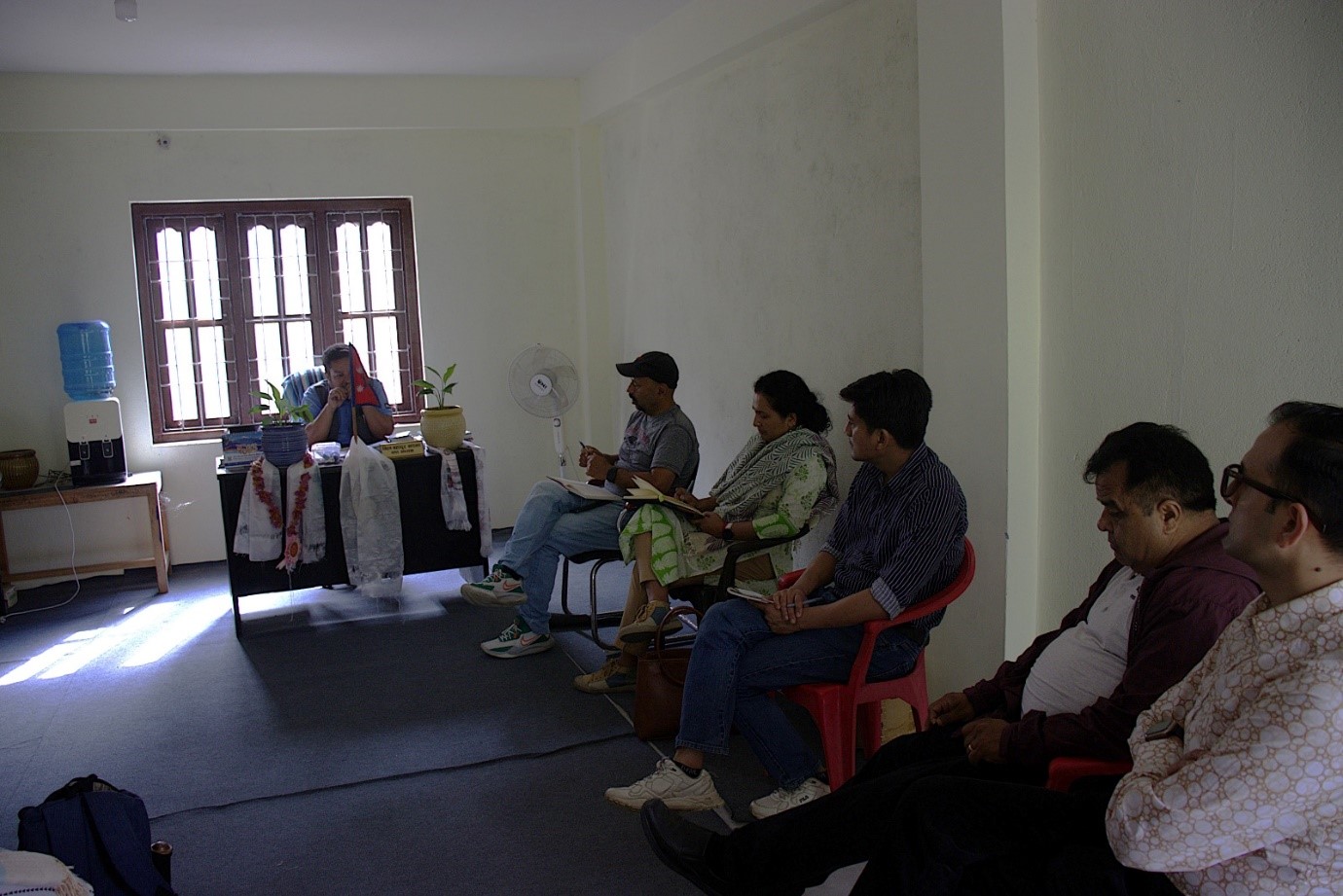
This evaluation explores relevance, effectiveness, efficiency, sustainability, impact, lessons learned, governance, coordination, transparency, and compliance with documents and regulations. It also analyses the achievement of the project at the outcome level within effectiveness parameters. The evaluation applied an interactive approach with mixed methods, qualitative and quantitative, for this evaluation. This includes both contribution analysis and beneficiary assessment approaches, strengthening the contribution of the NIRDP interventions towards the WN Project Agreement (PA) goal. This approach includes the following methods: a beneficiary assessment as organized by the WN field team; focus group discussions (FGDs) with 10 groups (158 female, 16 male); key informant interviews (KIIs) with 44 individuais experts, and data verification and analysis as per the PA performance indicators. The evaluation findings, conclusions, and recommendations are included in the report.
The key learning observed were:
1. If development interventions focus on raising awareness among farmers about organic farming systems through kitchen gardening, they can demonstrate that using organic fertilisers like vermicompost or urine-based liquid manure can enhance the productivity of land. This knowledge may encourage farmers to take the risk of producing organic vegetables on a commercial scale, especially if an organic market is developed.
2. There are unknown factors contributing to the low confidence among women in expanding the collective farming practices that were initiated through mushroom farming, despite the land availability support available from the local government side.
3. The project performed excellent in terms of achieving its set outcomes. Obtained 3.6 scores out of 5.
For a details of the findings, please contact directly to World Neighbor Nepal office.
The firm's management and expert team commit for an ethical, fair, environment-friendly, client data privacy, transparency in development practices and policy, societal equity, and neutrality principles.

Copyright ©2023 Paribartan. All Rights Reserved Design & Develop By:: Web Creation Nepal
Visitor

